Cataloging Community Contributions to Strategy Development for Multi-Event Wagering Scenarios in Digital Spaces
Cameron Coleman · Jun 17, 2026
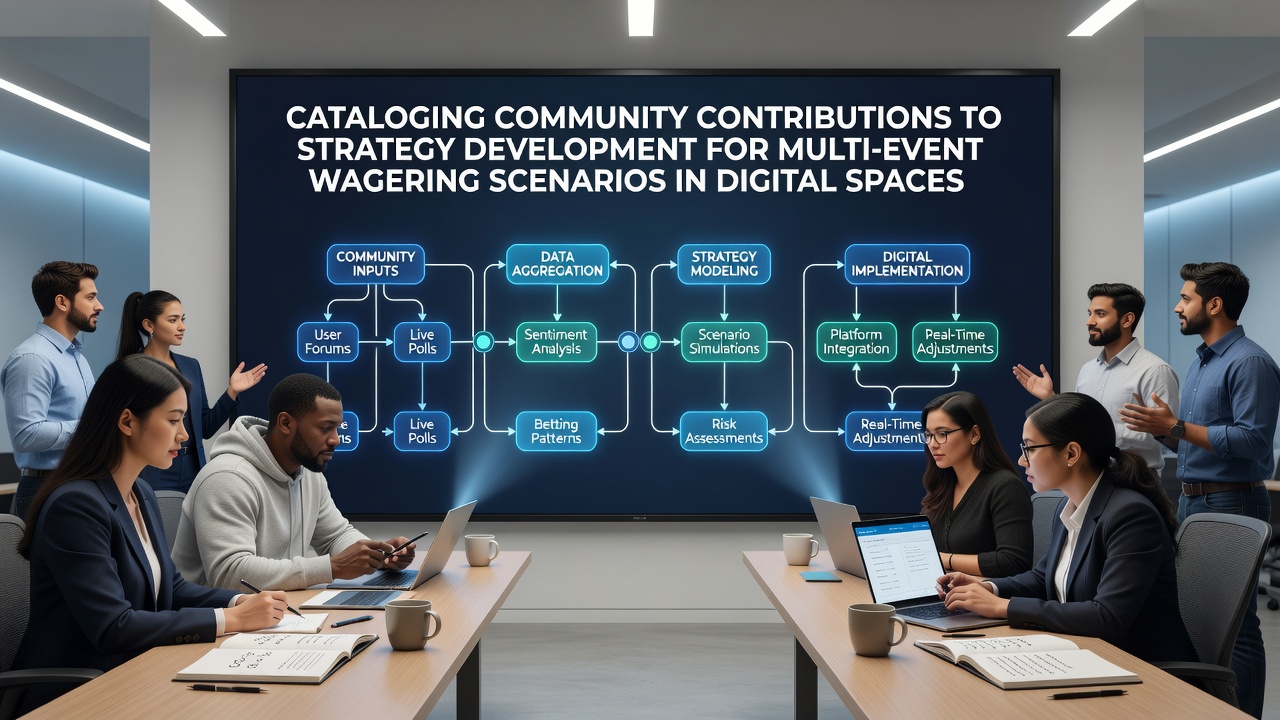
Cataloging Community Contributions to Strategy Development for Multi-Event Wagering Scenarios in Digital Spaces
Digital spaces have become central hubs where participants exchange insights on multi-event wagering, which often involves combining outcomes across several matches or competitions into single structured bets, and organized efforts now focus on systematically recording these shared ideas to refine collective approaches over time.
Digital Platforms Facilitating Community Input
Online forums, specialized discussion boards, and real-time chat environments serve as primary venues for users to post observations about odds movements, historical performance patterns across linked events, and adjustments to stake distributions when multiple selections are involved, while platform moderators and volunteer archivists increasingly apply tagging systems along with searchable databases to preserve these exchanges for later review. Researchers tracking activity on major sites report steady growth in archived threads dedicated to multi-leg scenarios throughout early 2026, with notable spikes occurring around major tournaments that feature overlapping schedules.
Systematic Approaches to Recording Contributions
Cataloging typically begins with categorization by event type, risk level, and geographic focus, allowing contributors to submit detailed breakdowns that include probability estimates derived from public data sources and user-generated simulations, after which dedicated teams apply standardized templates to convert informal posts into structured entries that highlight recurring themes such as timing considerations for correlated outcomes or hedging techniques applied mid-sequence. Data from industry monitoring groups shows these structured repositories expanding by double-digit percentages quarter over quarter, driven in part by increased participation from regions where regulatory frameworks permit broader digital engagement.
Examples from Recent Multi-Event Discussions
One widely referenced case from spring 2026 involved a series of threads on combined tennis and soccer selections where participants documented adjustments to implied probabilities when surface conditions and travel schedules overlapped, and the compiled notes later appeared in aggregated strategy summaries circulated among smaller prediction networks. Another instance centered on basketball playoff extensions paired with baseball season openers, where contributors flagged variance factors tied to rest days and bullpen usage, resulting in updated models that several independent analysts incorporated into their public updates by June of that year.
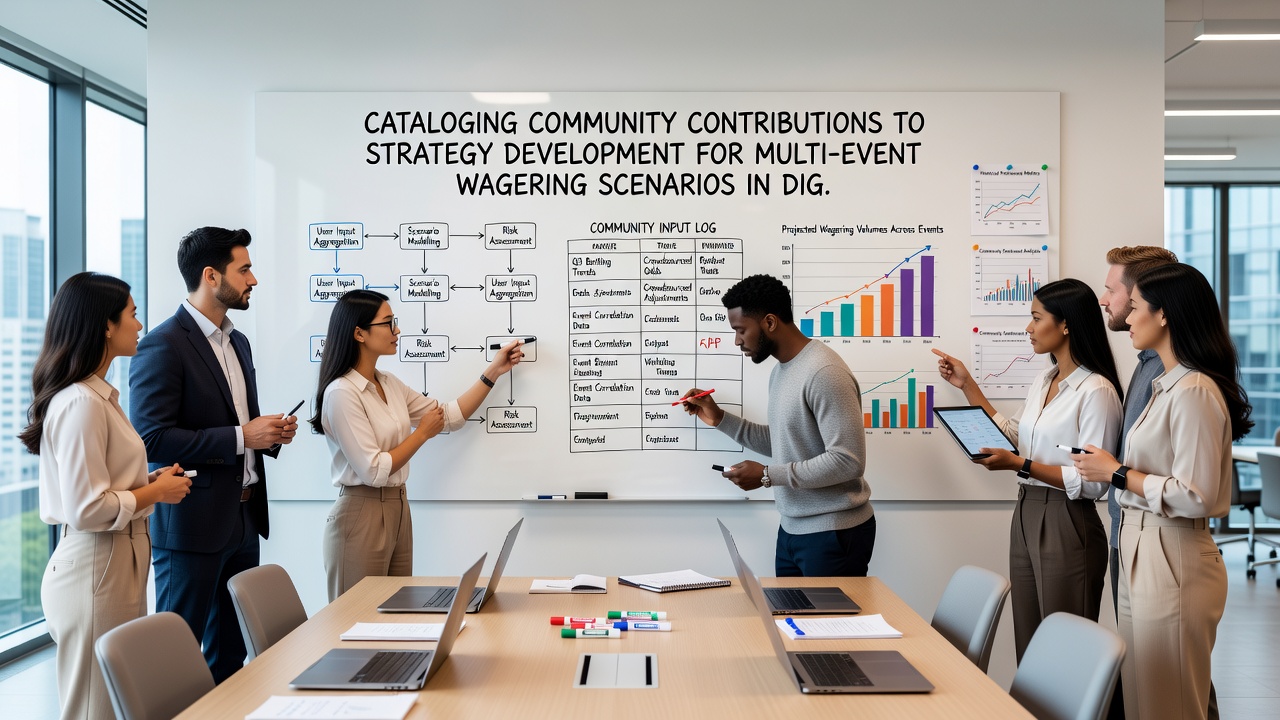
Integration with Broader Analytical Resources
Archived community material frequently feeds into larger analytical tools used by both casual participants and professional operators, creating feedback loops where initial user observations undergo statistical validation against official results databases before re-entering circulation in refined form, and organizations such as the American Gaming Association have noted rising references to crowd-sourced datasets within quarterly industry briefings. Academic teams from institutions including the University of Nevada, Las Vegas, continue to examine how these cataloged contributions influence decision frameworks, particularly when datasets span multiple jurisdictions with differing market structures.
Challenges in Maintaining Comprehensive Records
Volume management remains a persistent issue as daily submissions can exceed thousands of entries during peak periods, prompting developers to refine automated filtering algorithms that prioritize entries containing verifiable performance metrics over purely anecdotal reports, while questions around data accuracy prompt ongoing verification protocols that cross-reference claims against publicly available outcome histories. Regulatory updates in several North American markets during the first half of 2026 have also encouraged platforms to incorporate clearer labeling for archived material, distinguishing between entertainment-focused discussions and those intended to support more structured analytical use.
Future Directions for Community-Driven Catalogs
Emerging projects aim to incorporate machine-assisted clustering of related contributions, enabling quicker identification of convergent strategies across different user cohorts, and pilot programs launched in late spring 2026 have begun testing cross-platform aggregation tools that merge archives from multiple sites into unified searchable indexes. Observers tracking these developments point to continued expansion of open-access repositories that preserve both successful and unsuccessful multi-event approaches, thereby supporting longitudinal studies of how shared knowledge evolves within digital wagering communities.
Conclusion
Cataloging efforts centered on community contributions continue to shape how participants approach multi-event wagering by converting scattered observations into accessible, structured resources that support iterative refinement of tactics across digital environments, and ongoing advancements in organization methods suggest these collections will grow more interconnected as platforms adapt to increasing volumes of shared material through mid-2026 and beyond.