Charting Interactive Polls That Refine Wager Adjustments Across Regional Prediction Networks
Ellis Baumann · Jun 7, 2026
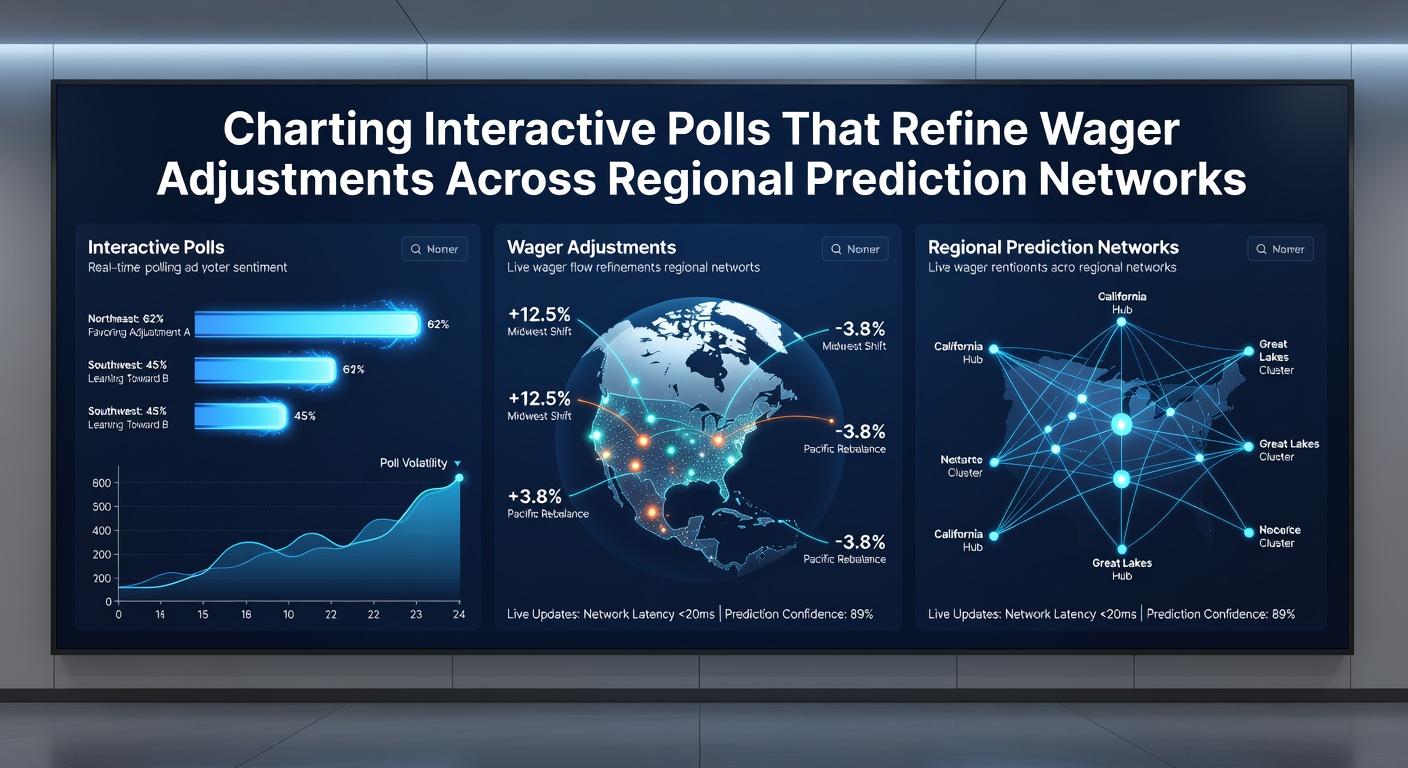
Charting Interactive Polls That Refine Wager Adjustments Across Regional Prediction Networks
Interactive polls have become embedded tools within regional prediction networks where participants submit preferences that feed directly into wager adjustment mechanisms and data aggregation layers process responses while adjusting suggested stakes based on collective inputs from different geographic zones. These systems operate by collecting real-time votes on variables such as match outcomes or performance thresholds and then route the results through algorithms that modify recommended bet sizes according to localized market conditions and historical participation patterns. Observers note that networks spanning multiple regions often layer additional filters onto poll data to account for variations in regulatory environments and user density which helps maintain consistency in how adjustments propagate across borders.
Mechanics of Poll-Driven Refinement in Prediction Systems
Prediction networks typically structure polls around specific event parameters where users select from predefined options and the resulting tallies trigger automated recalibrations of wager multipliers or probability estimates. Researchers have documented cases in which poll participation spikes during live events and those surges correlate with measurable shifts in regional betting volumes as the system recalibrates suggestions to reflect updated consensus levels. Data from early 2026 shows that networks covering North American and European zones recorded average poll response rates exceeding 45 percent during major tournaments while adjustments derived from those responses produced stake modifications ranging between 8 and 22 percent depending on the region involved.
Regional prediction networks incorporate demographic weighting into their poll processing pipelines so that responses from high-activity areas carry different influence levels compared with those from emerging markets. This weighting approach allows the system to refine wager outputs without requiring manual intervention and it draws on accumulated participation metrics collected over preceding months. One documented implementation in a multi-country network adjusted live wager recommendations within 90 seconds of poll closure while factoring in time-zone differences that affected response timing across continents.
Regional Data Layers and Adjustment Protocols
Networks operating across distinct regulatory jurisdictions apply separate calibration rules once poll results enter the adjustment phase and these rules reference local compliance requirements alongside user behavior statistics. In June 2026 several platforms reported that poll-derived adjustments in Canadian provinces incorporated additional verification steps tied to provincial gaming statutes whereas adjustments routed through Australian state networks emphasized responsible gaming thresholds embedded in the same poll outputs. The process maintains separation between raw poll data and final wager suggestions by routing intermediate calculations through region-specific modules that apply filters before any recommendations reach end users.
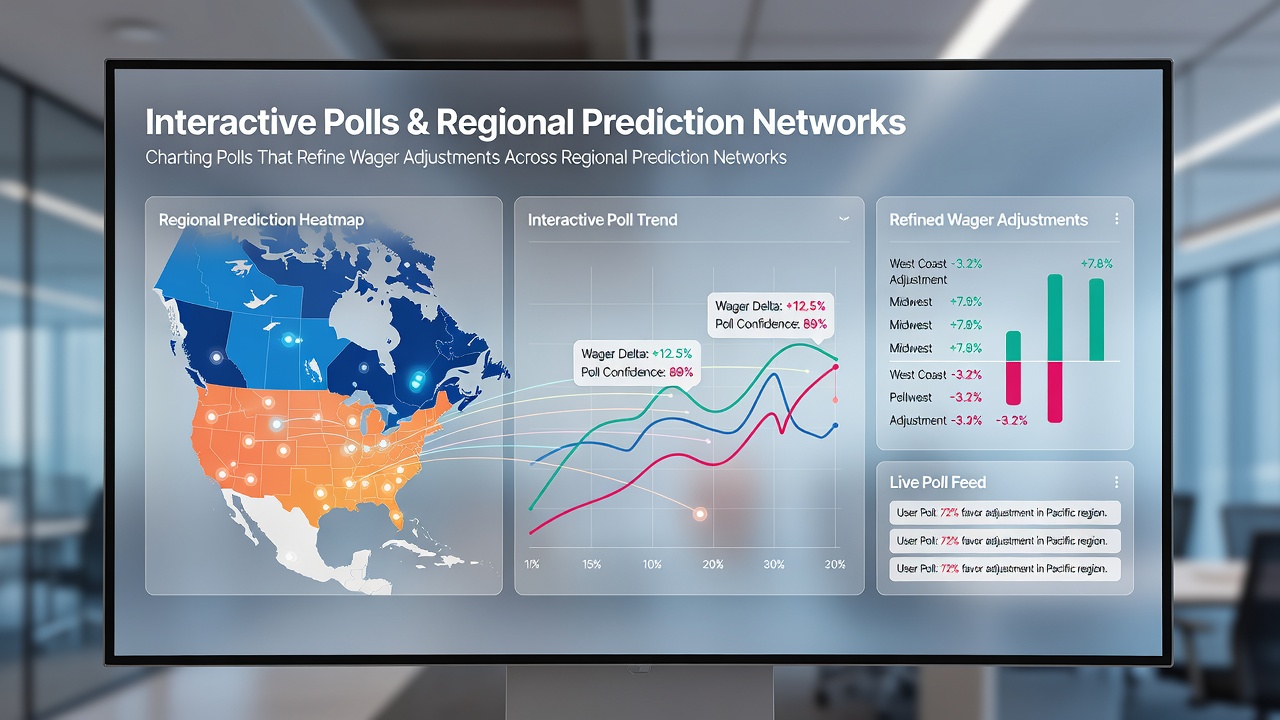
Cross-regional comparisons reveal that poll participation in densely populated urban zones tends to produce tighter adjustment ranges while responses from rural or lower-density areas generate broader variance in suggested stake changes. Analysts tracking these patterns have identified that networks using synchronized poll schedules across time zones achieve higher alignment between regional outputs and overall system stability. Figures released by the American Gaming Association indicate steady expansion of such integrated poll features within commercial gaming platforms throughout the first half of 2026 with participation metrics rising in tandem with broader platform adoption rates.
Integration with External Forecasting Inputs
Many regional prediction networks supplement poll results with external data streams that include academic forecasting models and industry performance indices and these combined inputs undergo further refinement before wager adjustments finalize. A study published by researchers at the University of Nevada Reno examined how poll aggregation combined with external probability models affected adjustment accuracy across simulated regional scenarios and the findings indicated measurable improvements when poll volume exceeded threshold levels in each zone. Networks that adopted similar hybrid approaches during the spring of 2026 reported reduced divergence between predicted and observed wager outcomes in subsequent testing periods.
External links appear sparingly within network interfaces where participants can access supporting documentation on poll methodology or regional regulatory summaries. One such connection directs users to resources maintained by the Australian Communications and Media Authority for context on how local rules intersect with poll-driven systems while another points to aggregated industry reports hosted by the European Gaming and Betting Association. These references remain optional and serve only to provide background without altering the core poll-to-adjustment workflow.
Observed Patterns Across Multiple Jurisdictions
Tracking data collected through June 2026 illustrates that networks spanning three or more regions consistently demonstrate faster convergence of wager adjustments when poll questions maintain uniform wording across all participating zones. Divergence appears more frequently when localized phrasing variations enter the poll design and those differences have prompted some operators to standardize question templates while preserving region-specific response weighting. Participation logs show that repeat users contribute disproportionately to adjustment stability because their historical voting patterns allow the system to apply continuity corrections that smooth abrupt shifts between poll cycles.
Case examples drawn from operational logs include one network covering parts of South America and the Caribbean where poll responses on event duration thresholds produced staggered adjustments aligned with differing daylight saving transitions and another instance in which an Asian-Pacific network used poll results to recalibrate live odds feeds within 45 seconds of closure. These instances demonstrate how the underlying architecture accommodates temporal and regulatory differences without requiring separate poll instances for each region.
Conclusion
Interactive polls continue to serve as core components within regional prediction networks where they supply structured inputs that drive wager adjustments calibrated to local conditions and participation trends. The systems rely on layered processing that separates raw responses from final outputs while incorporating external data and regulatory filters at defined stages. As networks expand their geographic reach the documented patterns from early and mid-2026 indicate sustained growth in poll integration alongside incremental refinements to adjustment protocols that account for cross-border variations in user behavior and compliance requirements.