Decoding Algorithmic Bias in Community Sourced Odds Adjustment Forums
Cameron Coleman · Aug 26, 2026
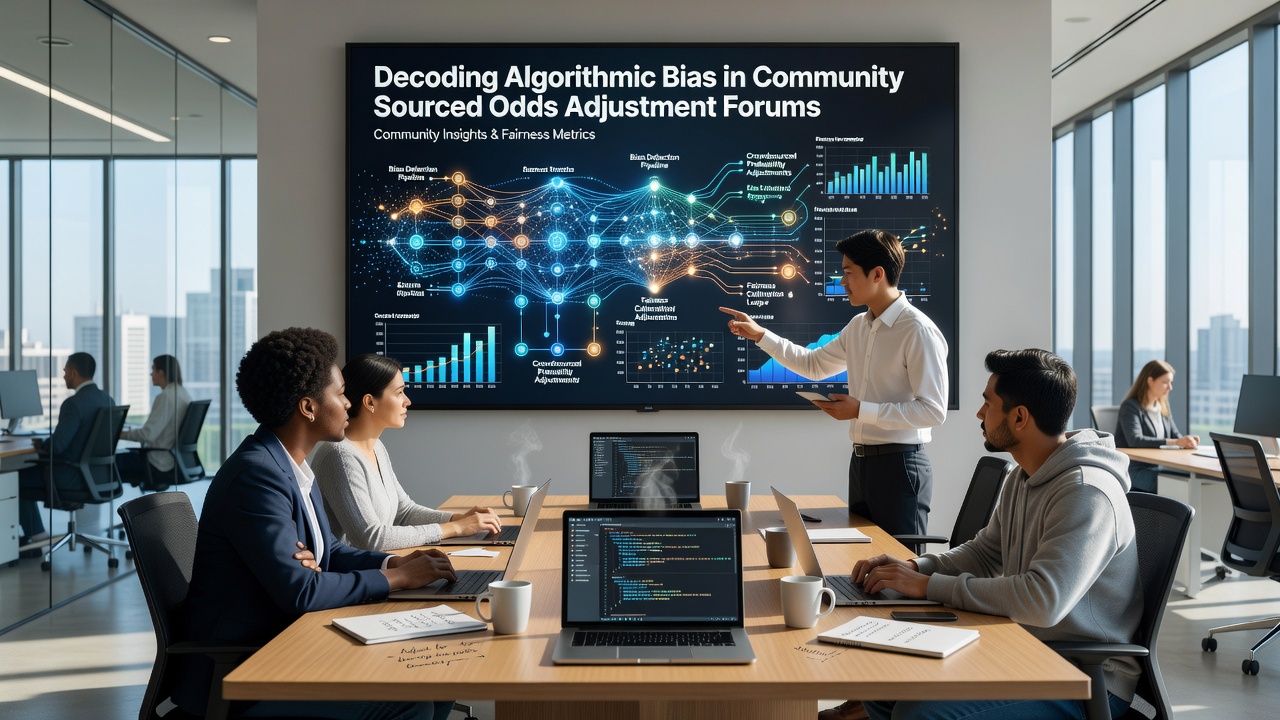
Decoding Algorithmic Bias in Community Sourced Odds Adjustment Forums
Community sourced odds adjustment forums operate as collaborative spaces where participants contribute data and insights that feed into algorithmic models responsible for refining betting lines in real time. These platforms aggregate user inputs from sports enthusiasts, analysts, and bettors to detect shifts in probabilities across events ranging from major league matches to niche esports competitions. Algorithms process this collective input through weighted scoring systems that prioritize volume, recency, and historical accuracy of contributions while attempting to filter noise from coordinated manipulation attempts.
Researchers at institutions tracking digital gambling ecosystems note that bias enters these systems when training data reflects uneven participation patterns across demographic groups. Forums active in August 2026 continue to show higher engagement from users in urban North American markets compared with those in rural regions or international locales where access to high-speed connections remains limited. This disparity influences how algorithms calibrate adjustments because input volume from certain areas dominates the dataset and skews outcomes toward preferences prevalent in those communities.
Mechanisms Behind Community Driven Adjustments
Algorithms in these forums typically employ machine learning techniques such as collaborative filtering and reinforcement learning loops that update odds based on aggregated predictions and correction signals. When a large cluster of users flags an initial line as undervaluing one side of a wager the system recalibrates within predefined thresholds. Yet the process incorporates historical performance metrics from contributors which can embed prior biases if early participants skewed toward specific sports or betting styles.
Data collected by regulatory bodies like the Alcohol and Gaming Commission of Ontario indicates that similar community platforms experienced measurable drift in line accuracy during periods of rapid user growth. The patterns emerged because newer participants often replicated existing consensus rather than introducing independent variables and this replication reinforced narrow interpretations of momentum indicators or injury reports.
Identifying Sources of Algorithmic Skew
Bias surfaces through several channels including selection effects where forum rules inadvertently favor vocal subgroups, temporal effects where recent high-profile events overshadow longer-term statistical baselines, and representation gaps where certain event types receive disproportionate attention. Observers note that esports wagering networks frequently display stronger bias toward popular titles because community volume concentrates there while less mainstream competitions rely on thinner data streams that algorithms treat with lower confidence.
Studies from academic centers examining prediction markets have documented how language patterns in forum posts correlate with adjustment speed. Posts using technical terminology from dominant user clusters receive higher trust scores in the model whereas contributions from peripheral members undergo additional scrutiny that delays incorporation. This creates feedback loops where certain analytical frameworks gain outsized influence over time.
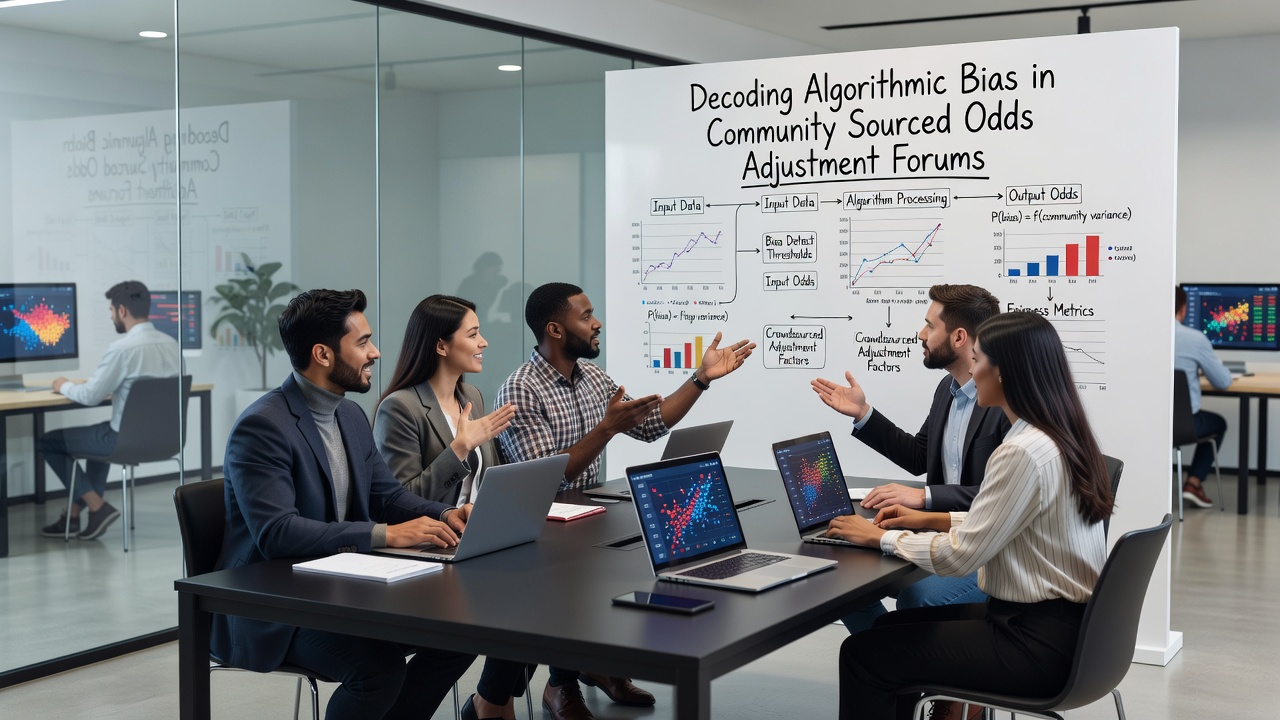
Regional Variations and Platform Responses
Platforms operating across borders encounter additional layers of complexity because community norms differ by jurisdiction. Australian regulatory frameworks emphasize transparency reporting on algorithmic decision factors while certain European oversight bodies require documentation of fairness audits. Forums that draw users from multiple regions must reconcile these standards when updating models to avoid compliance conflicts that could restrict data flows.
One documented case involved a North American forum that adjusted college football lines after community input highlighted regional betting trends. The algorithm initially overweighted inputs from states with established legal markets and underweighted corrections from emerging jurisdictions until developers introduced stratified sampling techniques. Subsequent reviews showed improved calibration across geographic segments according to internal platform metrics shared with industry researchers.
Strategies for Bias Detection and Correction
Developers deploy several technical approaches to surface and mitigate bias including adversarial testing where synthetic datasets simulate underrepresented user groups, periodic retraining with balanced samples drawn from external statistical repositories, and human oversight panels that review flagged adjustments. These methods require ongoing investment because community dynamics shift as new participants join and platform features evolve.
Industry reports from organizations such as the European Gaming and Betting Association highlight that successful implementations combine automated monitoring with structured feedback channels. Participants receive summaries of how their contributions influence outcomes which encourages broader engagement and reduces the concentration of influence among core user cohorts.
Conclusion
Community sourced odds adjustment forums illustrate the interplay between collective intelligence and algorithmic processing in modern betting environments. Continued examination of bias pathways remains essential as these systems scale and incorporate new data sources through 2026 and beyond. Regulatory developments alongside technical refinements will shape how platforms balance responsiveness with equitable representation across diverse user bases.