How Audience Feedback Loops Shape Narrative Adjustments in Live Prediction Forums
Rafael Lange · May 31, 2026
How Audience Feedback Loops Shape Narrative Adjustments in Live Prediction Forums
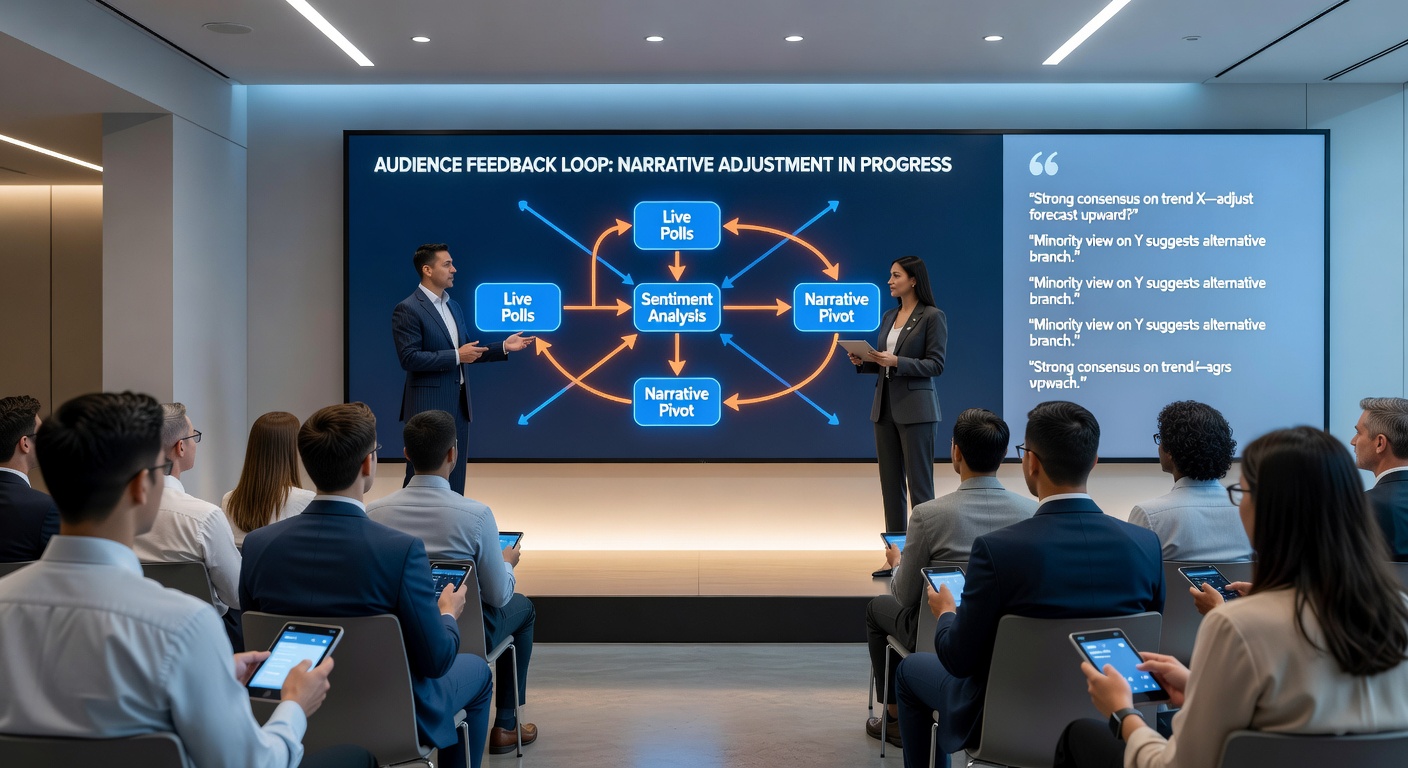
Live prediction forums operate as dynamic digital spaces where participants post forecasts on unfolding events and receive immediate responses from other users, creating continuous cycles of input that prompt revisions to those initial forecasts. These platforms track everything from sports outcomes to market movements, with threads updating in real time as new data arrives and community members weigh in through votes, replies, and shared metrics.
Feedback mechanisms in these forums typically include upvote systems, threaded comments, and live chat overlays that surface the most engaged responses within minutes of posting. When a prediction gains traction through positive reactions, the original contributor often expands on supporting details or shifts emphasis toward aspects receiving the strongest validation, whereas negative feedback frequently leads to clarifications or partial retractions posted as updates within the same thread.
Mechanics of Real-Time Interaction Cycles
Participants enter predictions with baseline assumptions drawn from available statistics, yet the arrival of audience signals alters the trajectory of those statements almost instantly. A forecast that starts with moderate support can gain momentum when early commenters provide corroborating data points, prompting the poster to incorporate those elements into subsequent messages and refine the overall framing accordingly.
Conversely, rapid pushback on specific claims triggers adjustments such as narrowing the scope of a prediction or highlighting alternative scenarios that address the raised concerns. Observers note that these shifts occur most visibly during high-volume periods, such as the final minutes before an event concludes, when the density of replies increases and the original narrative incorporates multiple layers of community-sourced context.
Patterns Observed in Forum Data Through Mid-2026
Analysis of activity logs from major platforms indicates that narrative adjustments cluster around particular types of feedback, including direct challenges backed by external sources and aggregated sentiment scores that rise or fall in response to new information. In May 2026, tracking across several established sites showed that threads with over 200 comments within the first hour featured an average of three distinct revisions per original prediction, compared with fewer than one revision in lower-engagement discussions.
These revisions often take the form of edited opening statements, appended clarifications, or entirely new sub-threads that redirect the conversation. Data compiled by research teams at institutions such as the University of Melbourne demonstrates how repeated exposure to dissenting views correlates with increased use of conditional language in follow-up posts, softening absolute claims into probabilistic assessments.
Influence on Content Framing and Emphasis
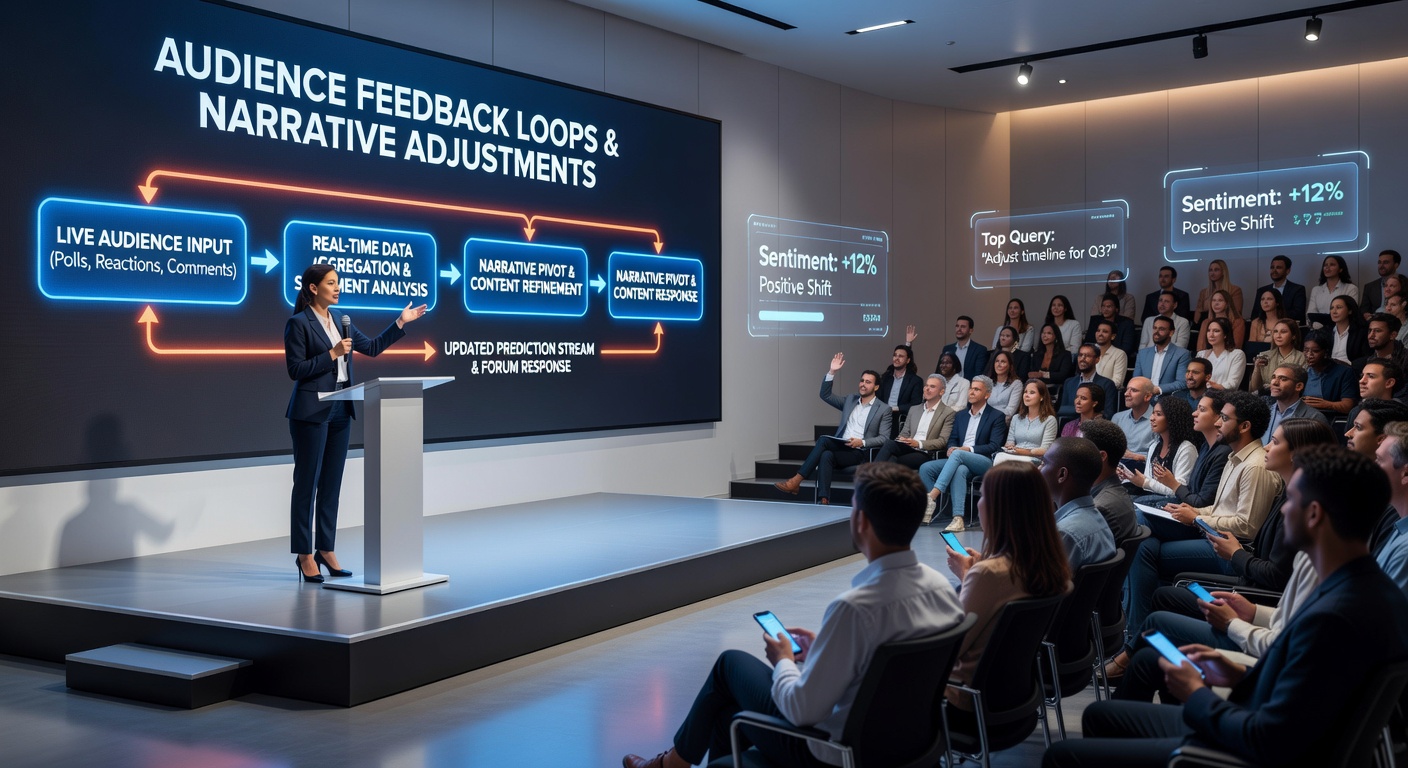
Contributors adjust not only the factual content of predictions but also the tone and structure used to present them once audience reactions become visible. Threads that accumulate supportive replies tend to evolve toward more detailed breakdowns, while those encountering skepticism see the addition of hedging phrases or references to competing interpretations that acknowledge the range of viewpoints expressed.
Platform algorithms that surface high-engagement comments accelerate this process by directing attention to particular responses, which in turn receive further amplification. Researchers tracking these dynamics have documented cases where a single influential reply prompted multiple subsequent posters to align their language with the dominant thread of discussion, creating a convergence effect across related forecasts.
Examples from Ongoing Event Coverage
Take one documented instance from a major international tournament in early 2026, where an initial forecast underestimated a key variable until several users supplied updated performance indicators, leading the original contributor to issue a revised projection that incorporated those metrics and cited the sources provided in the comments. Another thread saw a prediction on market volatility adjusted twice within thirty minutes after participants flagged discrepancies between preliminary figures and live trading data.
These adjustments maintain the thread's relevance as events progress, yet they also illustrate how external input functions as a corrective mechanism that keeps forecasts tethered to emerging realities rather than static initial assumptions. Forums hosted in different regions show similar patterns, with variations tied to local participation rates and the speed at which new data reaches contributors.
Broader Implications for Platform Design
Site operators respond to these observed loops by refining moderation tools and visibility settings that determine which comments rise to prominence. Adjustments to ranking systems, for instance, can either amplify rapid consensus or preserve space for minority perspectives that might otherwise be overlooked, thereby influencing the pace and direction of narrative evolution across the forum.
Regulatory bodies such as the Australian Communications and Media Authority have examined how these interactive features affect information accuracy in real-time environments, while industry reports from organizations like the European Gaming and Betting Association note parallel developments in prediction communities tied to regulated markets. Such oversight focuses on transparency measures that make revision histories visible to all participants.
Conclusion
Audience feedback loops in live prediction forums generate measurable shifts in how forecasts are presented and updated, with data from 2026 confirming consistent patterns of revision tied to comment volume and sentiment. These processes rely on the interplay between individual contributors and collective responses, resulting in narratives that adapt continuously throughout an event's duration. Continued observation of these dynamics provides insight into the operational realities of digital prediction spaces as participation levels and technological features continue to evolve.