Mapping Algorithmic Shifts in Content Delivery Across Platforms Tracking International Cricket Prediction Networks
Alex Zimmermann · Jul 10, 2026
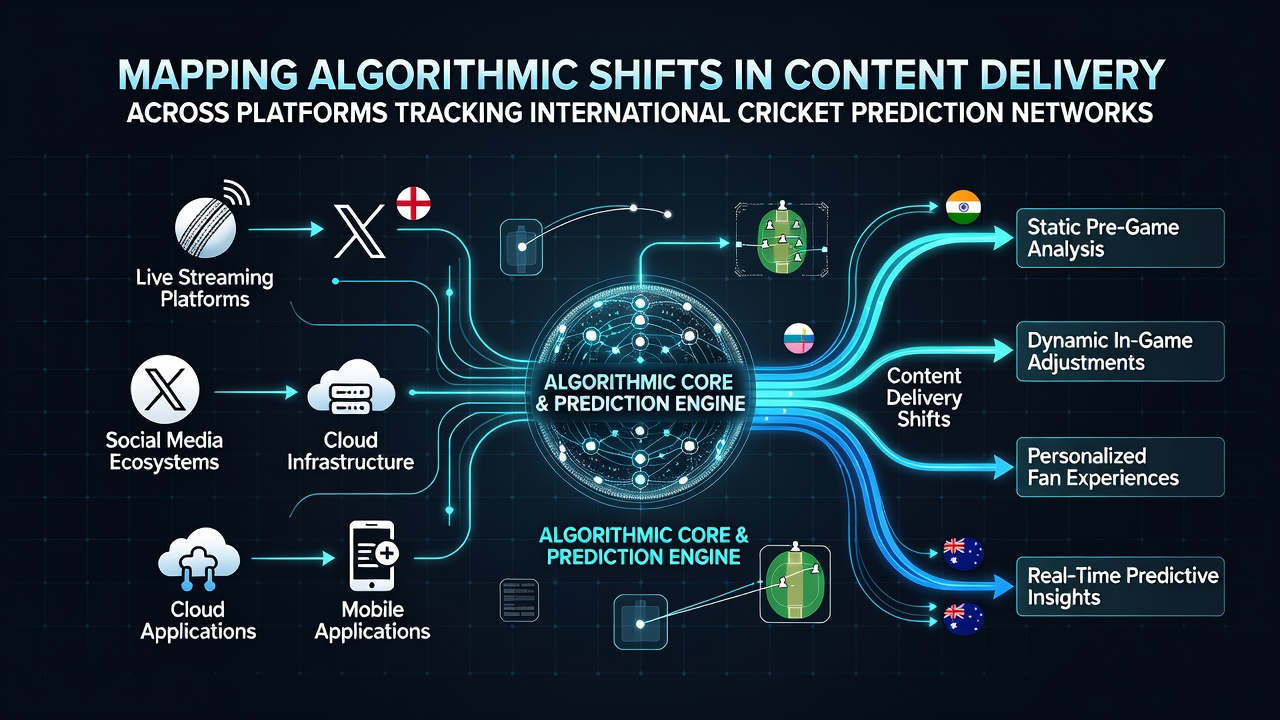
Mapping Algorithmic Shifts in Content Delivery Across Platforms Tracking International Cricket Prediction Networks
Platform operators have adjusted recommendation systems throughout 2025 and into July 2026 to prioritize real-time data streams that serve international cricket audiences seeking predictive insights on matches across Test series, One Day Internationals, and T20 events. These adjustments occur as algorithms evaluate user engagement signals from mobile applications, web portals, and social feeds that aggregate player statistics, pitch reports, and historical performance metrics.
Platform Algorithm Updates and Content Prioritization
Changes in ranking mechanisms have directed more visibility toward cricket-specific forecasting tools that compile live score updates with model-driven projections, and this shift coincides with increased traffic during major tournaments hosted in multiple regions. Developers at major content networks report that machine learning layers now weigh temporal factors such as match timing and regional viewer preferences when surfacing prediction threads, which allows faster delivery of localized analyses to users in South Asia, Australia, and the Caribbean simultaneously.
Observers note that these modifications reduce latency between data ingestion from official scoreboards and the appearance of interpretive content on user dashboards. Networks that track international cricket therefore receive more consistent exposure when their outputs align with emerging patterns in viewer dwell time and interaction rates.
Tracking Mechanisms in Cricket Prediction Ecosystems
Specialized monitoring frameworks collect signals from distributed prediction communities that operate across borders, and these frameworks map how algorithmic filters influence the spread of tactical breakdowns and probability estimates. Data aggregators compile metrics on content velocity, showing that prediction posts about boundary counts or wicket fall sequences travel farther when platforms apply updated relevance scoring tied to current series standings.
International coordination among cricket boards supplies standardized datasets that feed into these systems, enabling prediction networks to refine their outputs against verified match variables. In July 2026, several platforms incorporated additional weighting for weather-related variables and squad rotation announcements, which altered the order in which forecast summaries reached different geographic segments.
Cross-Platform Distribution Patterns
Content moves between primary social channels, dedicated sports portals, and messaging applications through interconnected recommendation engines that share common metadata schemas. Researchers examining these pathways find that prediction material originating from smaller regional analysts gains wider reach once it passes initial algorithmic gates set by larger platforms. This dynamic creates feedback loops where engagement on one service triggers amplification on others, particularly during overlapping international fixtures.
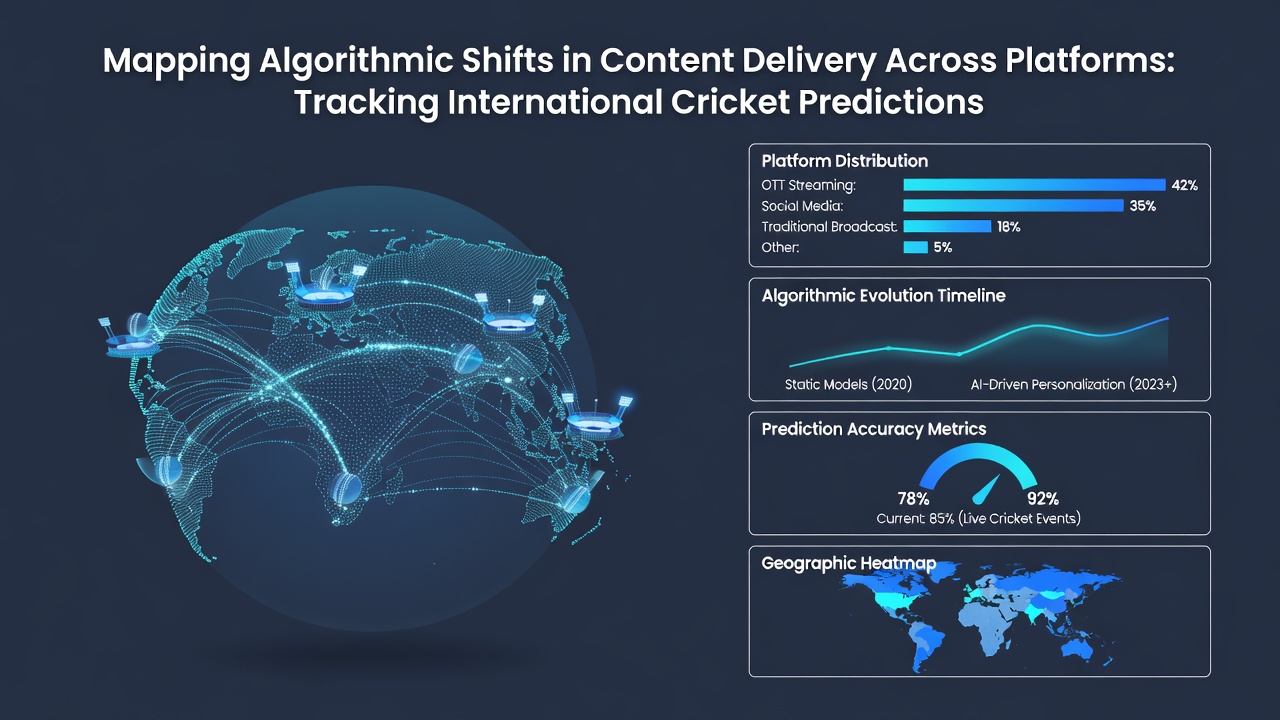
European regulatory bodies overseeing digital services have documented similar distribution shifts in other sports verticals, and comparable patterns appear in cricket coverage according to industry reports from the Australian Communications and Media Authority. Those reports detail how content delivery adjustments affect the prominence of analytical material without altering source availability.
Regional Variations in Network Activity
Prediction networks concentrated in the Indian subcontinent demonstrate higher posting frequency around bilateral series involving neighboring teams, whereas networks in Europe and North America show elevated activity during ICC events. Algorithmic recalibrations in mid-2026 responded to these regional rhythms by adjusting push notifications and feed placements to match peak viewing windows in each zone. This calibration relies on aggregated location and time-zone data rather than individual user profiles.
Studies from academic institutions tracking digital sports media indicate that such synchronization increases the proportion of prediction content consumed within the first hour after a match segment concludes. Networks that maintain consistent update cadences therefore maintain steadier visibility across the examined platforms.
Technical Components Driving the Shifts
Updates to embedding models and graph-based ranking systems now incorporate cricket-specific ontologies that tag terms such as required run rate, powerplay overs, and death bowling effectiveness. These tags enable finer matching between incoming queries and available prediction threads. Platform engineers have integrated additional layers that detect emerging discussion clusters around injury reports or venue changes, accelerating delivery of related analytical material to connected users.
Third-party measurement services supply anonymized performance indicators that confirm the impact of these technical refinements on content reach. The indicators show measurable differences in distribution speed between pre-update and post-update periods across multiple cricket formats.
Conclusion
Algorithmic modifications continue to reshape how international cricket prediction networks reach audiences through interconnected platforms. The documented changes in ranking logic, metadata tagging, and regional timing adjustments produce measurable effects on content velocity and visibility. Organizations monitoring these developments, including regulatory agencies and research groups, record ongoing adaptations that align delivery mechanisms with the structure of global cricket calendars and viewer engagement patterns.