Prediction Markets Capture Growing Share of U.S. Sports Betting During 2026 World Cup
Cameron Coleman · Aug 14, 2026
Prediction Markets Capture Growing Share of U.S. Sports Betting During 2026 World Cup
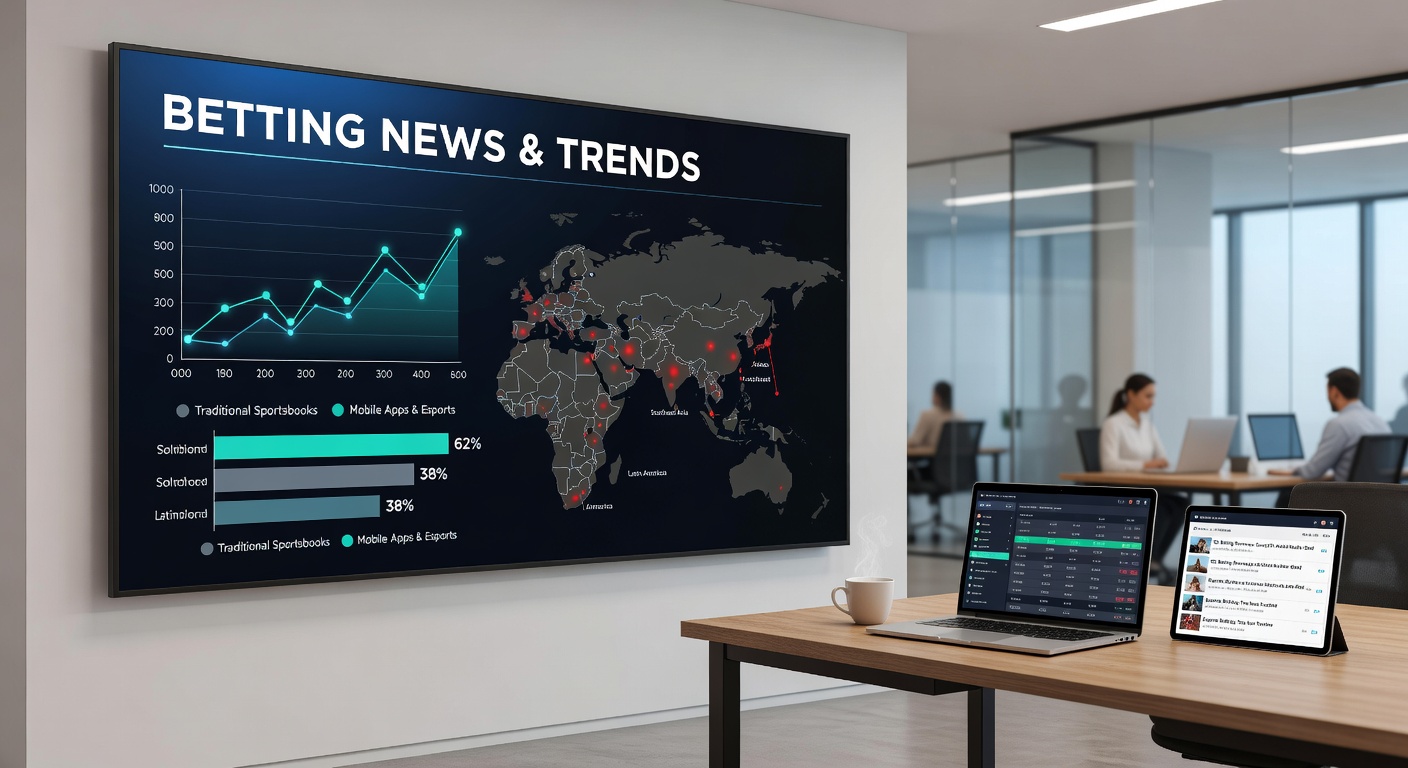
Prediction-market platforms such as Kalshi and Polymarket recorded substantial increases in activity throughout the 2026 World Cup, with estimates indicating they accounted for roughly 27 percent of legal U.S. sports-betting volume compared with 9 percent at the beginning of the year; this shift occurred while traditional sportsbooks including FanDuel and DraftKings experienced comparatively slower expansion during the same period.
Kalshi posted record trading volumes on sports-related contracts, and the platform registered higher daily active app users than several established competitors at multiple points during the tournament; company representatives attributed part of the visibility to stadium sponsorship deals that placed branding in front of large audiences attending matches.
Market Share Shifts and Regulatory Context
CFTC-regulated prediction markets operate under a framework that permits contracts on a range of events, including sports outcomes alongside political and economic indicators, and observers note that this structure allowed platforms to offer event-based trading options that appealed to users seeking alternatives to conventional point-spread or moneyline wagers; data compiled during the World Cup period showed the combined volume on these platforms rising faster than the overall legal betting market.
Figures released in mid-July 2026 placed the prediction-market segment at nearly three times its earlier share, and analysts tracking transaction data highlighted that the increase coincided with heightened interest in real-time event contracts tied directly to match results and tournament milestones.
Kalshi Performance Metrics
Kalshi achieved new highs in daily trading volume on World Cup contracts, and internal metrics indicated that the number of unique users engaging with the app each day exceeded those reported by certain major sportsbooks during peak tournament weeks; marketing initiatives, which included physical sponsorships at venues, contributed to broader brand exposure among attendees and viewers following matches on television.

Platform operators pointed to the ability to list contracts on individual games and tournament stages as a factor that drew participants who preferred discrete event outcomes over traditional betting formats; the CFTC oversight provided a regulatory distinction that some users cited when comparing available options.
Comparative Growth Against Established Sportsbooks
While FanDuel and DraftKings maintained large user bases built over previous years, the percentage growth in their sports-betting handle during the World Cup lagged behind the gains posted by prediction-market venues, according to the same set of estimates; this divergence prompted industry participants to examine how contract structures and regulatory permissions influenced user migration patterns.
Reports covering the July 2026 timeframe documented that prediction markets captured a larger slice of total legal volume even though absolute dollar figures for traditional sportsbooks remained substantial; the trend reflected expanded competition within a segment already shaped by state-level legalization frameworks.
Broader Implications for Event-Based Trading
Prediction markets that combine sports contracts with other event categories demonstrated resilience in attracting volume during high-profile tournaments, and the 2026 World Cup provided a concentrated period in which to measure shifts; estimates suggested the 27 percent share represented the highest level recorded for this category since the platforms began offering sports-related instruments at scale.
Those monitoring regulatory developments observed that CFTC-approved venues continued to expand their offerings, and the resulting overlap with sports-betting activity created direct comparison points for volume and user engagement; data collected through the tournament period supplied additional evidence of this competitive dynamic.
Conclusion
The reported growth in prediction-market activity during the 2026 World Cup illustrates a measurable change in how legal U.S. betting volume is distributed among different platform types, with Kalshi and Polymarket together reaching an estimated 27 percent share; continued tracking of trading volumes and user metrics will clarify whether the pattern observed in July persists into subsequent months.