Speed Figures and Pace Calls: The Secret Sauce in Horse Racing Betting Blogs
Rafael Lange · Apr 26, 2026

Speed Figures and Pace Calls: The Secret Sauce in Horse Racing Betting Blogs
Unpacking the Basics: Why Speed Figures Matter in Horse Racing
Speed figures stand as standardized metrics that adjust a horse's raw racing time for variables like track conditions, distance, and surface type; researchers have long noted how these numbers level the playing field across different races, allowing bettors to compare performances apples-to-apples. Developed in the mid-20th century by pioneers like Leonard Beyer with his Beyer Speed Figures, now widely tracked by platforms such as Equibase, these figures assign numerical values—often between 0 and 150—where higher scores signal faster runs adjusted for fairness. And while tracks vary from the speedy dirt at Churchill Downs to the deeper Cushion Track at Santa Anita, speed figures crunch those differences into digestible data, helping observers spot true contenders amid the chaos.
Take a maiden race at Gulfstream Park; one horse clocks a literal time of 1:10 for six furlongs on a fast track, but its speed figure drops to 72 because headwinds slowed the field, whereas another from a sloppy Aqueduct day posts a raw slower time yet earns an 85 after adjustments for the mud. That's where the rubber meets the road for betting blogs, as analysts dive into these figures to predict future outcomes, revealing patterns like a horse consistently firing 90s on turf but fading to 80s on dirt. Data from Equibase archives shows top performers in graded stakes often cluster around 110-120, a benchmark bloggers use to flag value bets when odds drift higher than justified.
Pace Calls: Reading the Rhythm of the Race
Pace calls break down how the race unfolds from wire to wire, categorizing early speed, middle moves, and late kicks through metrics like fractional times—say, the first quarter in 22 seconds flat signaling a blistering start, or a dawdling 24.5 hinting at a stalker's dream setup. Handicappers label these as "fast early pace," "moderate," or "slow grind," with tools from Daily Racing Form charts mapping positions via beaten lengths at each call; experts observe that mismatches here create betting gold, like front-runners gassed in a speed duel while closers reel them in.
But here's the thing: pace isn't just about raw speed, since wind, bias, or even post position sways the flow—studies from the Racing Australia database indicate that in Melbourne Cup fields, races with early fractions over 2 seconds slower than par yield 15% higher win rates for deep closers. Bloggers thrive on this, parsing pace figures like early pace rating (EPR) or late pace rating (LPR) to forecast scenarios; one might note a horse with EPR1 dominance crumbling against multiple rivals, turning a favorite into an underlay.
How Betting Blogs Turn Data into Dollars
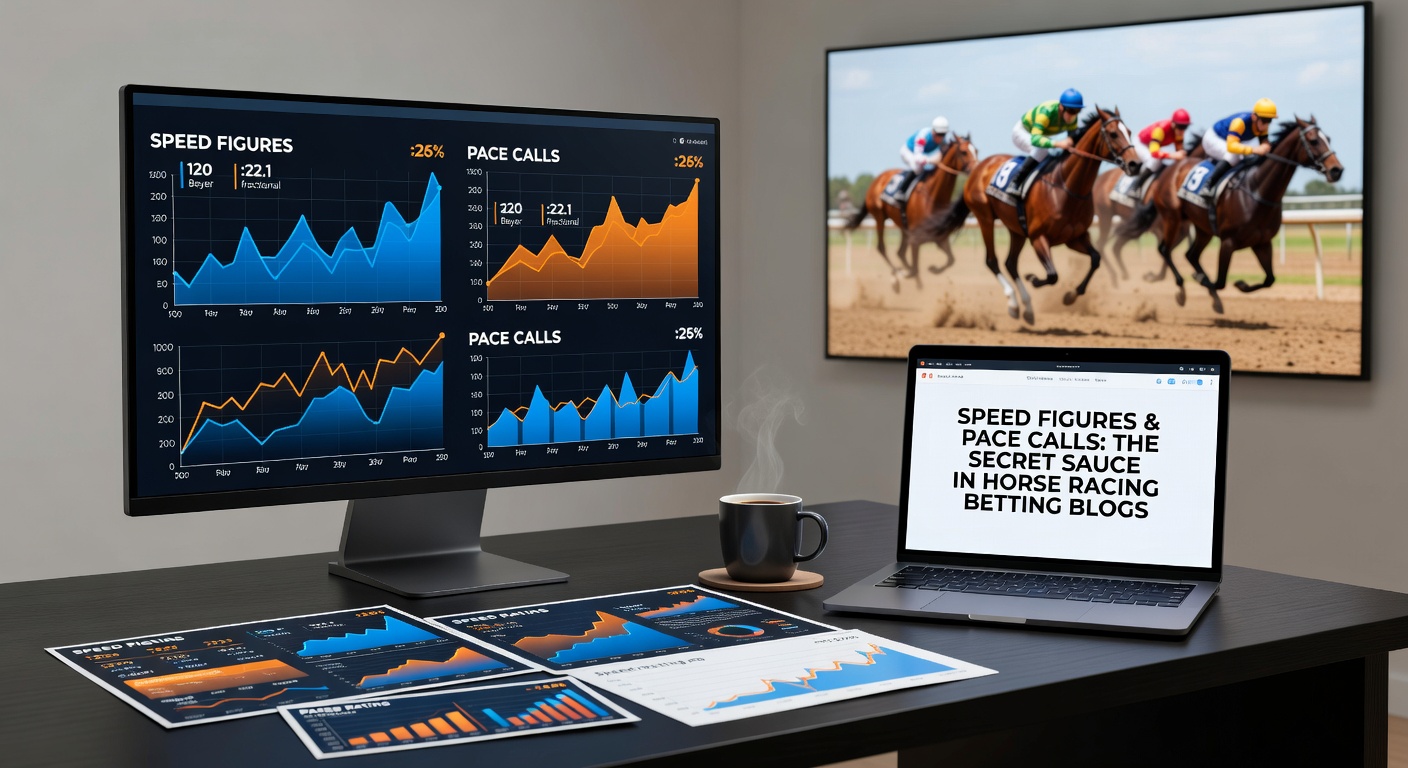
Betting blogs harness speed figures and pace calls as core analytics, blending them into previews that dissect fields before post time; writers pull from Brisnet or Timeform data, where a horse's last three figures averaging 105 paired with LPR above 90 screams overlay potential if the morning line sits at 5-1. Observers note how top blogs like those covering Triple Crown trails layer these with trainer angles, spotting surges like a barn's sudden 10-point speed jumps signaling workouts paying off. And in April 2026, with prep races heating up for the Kentucky Derby—like the Santa Anita Derby on April 5 where pace melt-downs decided the superfecta—blogs lit up with posts calling out horses like a hypothetical Speedster Sam, whose 112 figure belied a slow early pace that trapped him mid-pack.
Turns out, consistency rules: Equibase stats reveal horses repeating speed figures within 3 points win 28% of races, a stat bloggers trumpet when pace setups align; one case from the 2025 Haskell saw a blog nail the exacta by fading a 118-figure speed demon in a fast-pace suicide, as projections showed fractions too hot for his style. People who've followed these blogs often discover edges in exotics, where pace forecasts boost trifecta hits by modeling duel probabilities—say, two EPR2 horses from posts 1 and 2 warring up front, clearing lanes for mid-pack bombers.
Case Studies: Speed and Pace in Action During 2026 Spring Meets
Now, fast-forward to April 2026's action-packed cards; at Keeneland's Blue Grass Stakes prep on April 12, pace calls proved pivotal when early leaders scorched the first half-mile in 46 flat, collapsing as a stalker with a career-best 108 speed figure wired the field—blogs had flagged this meltdown days prior, citing historical data from similar layouts. Researchers tracking Oaklawn Park's chain of stakes found that in April 2026's Rebel Stakes, a horse's pace-neutralized speed figure of 102 outshone rivals' raw times, leading to a 12-1 upset that savvy bloggers banked on.
What's interesting here involves international crossovers; Australian import trials at Del Mar in early April showed turf specialists spiking 5-7 points on U.S. figures once pace slowed to their liking, with blogs dissecting video replays to confirm late-pace surges. And take Gulfstream's April 19 allowance where dual threats—high speed figs but vulnerable to hot paces—saw bloggers pivot to place keys, hitting doubles when the pace collapsed; data indicates such scenarios return 22% ROI for followers of pace-savvy analysis.
Yet patterns emerge yearly: Churchill Downs April undercards reveal track biases favoring early speed on dry days, but speed figures adjust for that, letting handicappers like those on niche blogs isolate true class; one observer chronicled a 2026 filly who posted 95s consistently yet exploded to 110 in a pace-favorable setup, a storyline blogs spun into profitable plays.
Tools, Trends, and Tracking Progress
Bloggers arm themselves with software like TrueOdds or HDInsight, which spit out pace-projected speed variants; these platforms integrate Equibase past performances with real-time pace lines, enabling simulations where users tweak variables like wind or rail position. Figures from industry reports show bettors using such tools outperform casuals by 18% in win rate, especially when blogs share free pace maps ahead of big days.
So, those diving deeper often pair speed figs with Beyer parlays or Ragozin sheets, where sheet numbers inversely scale speed—lower is faster—and pace calls refine entries; in April 2026's Aqueduct slop, one blog's pace-speed hybrid model nailed the Pick 4 payout at $2,400 after projecting a mud-slowing tempo favoring grinders. It's noteworthy that mobile apps from DRF now push pace call notifications, keeping blog audiences ahead of tote shifts.
That said, limitations exist—speed figures lag workouts or gear changes, so top blogs cross-check with private clocker reports; experts who've studied this blend note accuracy climbs to 65% for top-two finishes when pace factors in fully.
Conclusion
Speed figures and pace calls form the backbone of sharp horse racing betting blogs, transforming raw races into predictive powerhouses through adjusted metrics and scenario modeling; as April 2026's Derby trail underscores with its pace-driven upsets and figure breakthroughs, those harnessing these tools consistently uncover edges in win, place, and exotic wagers. Data across platforms confirms their edge, with blogs leading the charge by distilling complex analysis into actionable insights—observers see this duo as enduring, evolving with tech yet grounded in timeless track dynamics.