World Cup Draws Record Betting Volume as Partners Ramp Up Visibility
Ellis Baumann · Jul 19, 2026
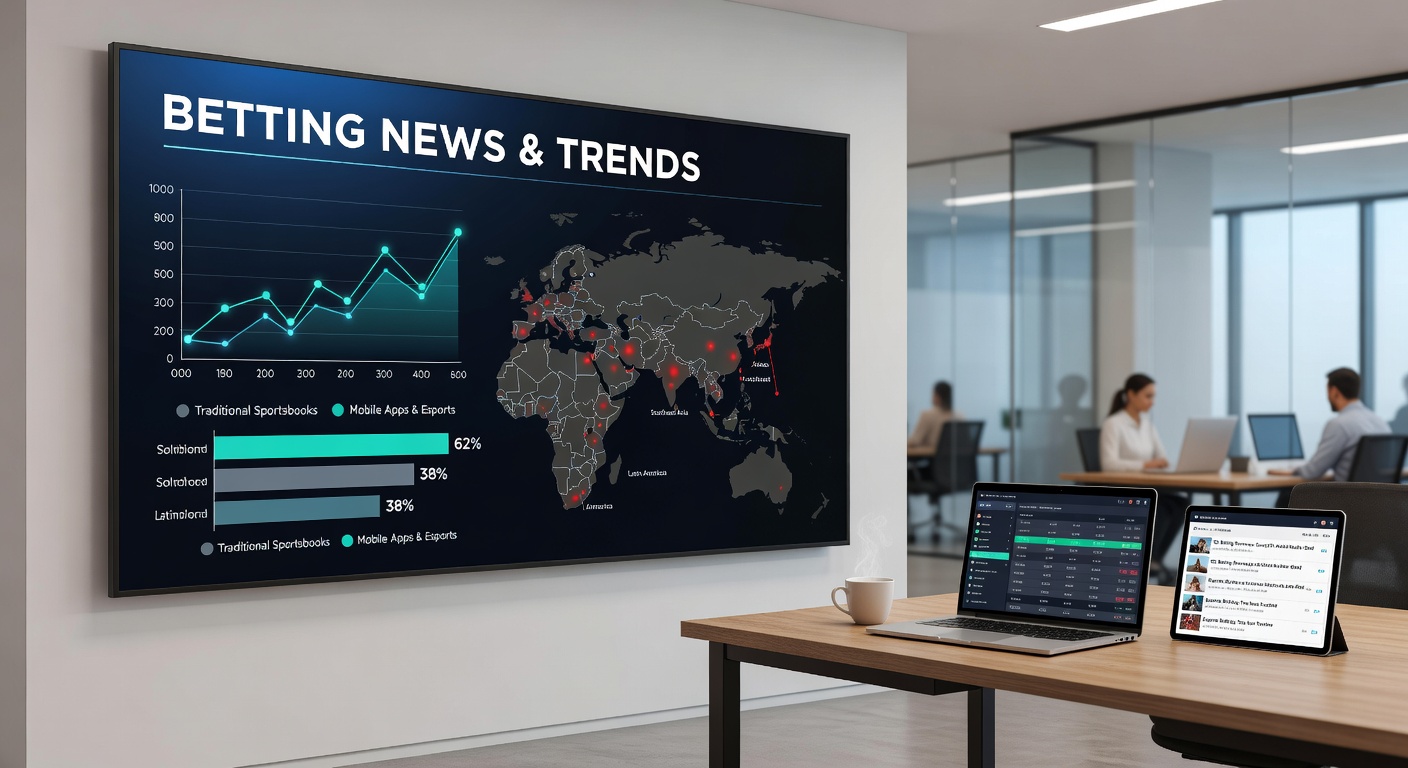
World Cup Draws Record Betting Volume as Partners Ramp Up Visibility
This year’s FIFA World Cup stands out as the most-wagered-on sporting event on record, with projections pointing to nearly $600 billion in total bets placed across global markets. The surge ties directly to sustained advertising campaigns from FIFA’s official partners, among them prediction platforms ADI PredictStreet and Kalshi plus sports betting operator Betano, all of which increased exposure through match broadcasts and related digital promotions. Observers note that betting advertisements appeared frequently during live coverage, creating a constant backdrop for viewers following the tournament’s later stages in July 2026.
Data from industry tracking services shows betting activity concentrated around key matches, where prediction markets offered real-time options on outcomes and player performances. Kalshi and ADI PredictStreet promoted their platforms through targeted spots that highlighted event-specific wagers, while Betano focused on in-app features tied to the ongoing fixtures. The combined effect pushed total handle figures past previous benchmarks set by earlier World Cups and major league seasons.
Partner Campaigns Shape Broadcast Environment
Official sponsorship arrangements placed betting-related messaging in prominent positions throughout the tournament schedule. FIFA’s agreements allowed these partners to integrate promotions into pre-match segments, halftime breaks, and post-game analysis. Viewers encountered repeated calls to action that directed audiences toward mobile apps and prediction interfaces, often featuring simplified sign-up processes and bonus structures tied to World Cup matches.
Analysts tracking ad placements documented higher frequencies during prime-time slots, especially in regions where sports betting has gained regulatory approval in recent years. The presence of these campaigns coincided with expanded access to mobile betting technology, allowing participants to place wagers without leaving the viewing experience. Figures released by market research firms indicate that engagement metrics on partner platforms rose sharply during the group stage and knockout rounds, reflecting the reach of the coordinated advertising push.
Responsible Gambling Initiatives Run Alongside Promotions
Amid the advertising volume, New York State launched its “Take a Pause” campaign to promote responsible gambling practices during the tournament’s final stages. The effort, coordinated through the Office of Addiction Services and Supports, delivered public service announcements that encouraged viewers to set limits and recognize signs of problematic behavior. State officials timed the messaging to run parallel with the heightened betting activity surrounding the championship match.
Budget documents for fiscal year 2026 outline continued funding for addiction services programs that support these awareness initiatives. The allocations cover outreach materials, helpline operations, and data monitoring systems designed to track gambling trends during major sporting events. Program coordinators reported increased calls to support lines in the weeks leading up to and following high-profile matches.
Market Projections and Platform Activity
Industry estimates place the total betting volume at levels that exceed prior global events by a substantial margin. Prediction markets operated by ADI PredictStreet and Kalshi captured a notable share of activity, particularly among users seeking event contracts on match results and tournament progression. Betano’s involvement as the designated sports betting partner contributed through localized marketing that aligned with broadcast schedules in multiple territories.
Platform operators reported spikes in account registrations and deposit activity during match days, with data streams indicating sustained interest through the knockout phase. These patterns align with broader trends in which major international tournaments serve as entry points for new participants in regulated betting environments. Tracking services monitoring transaction volumes documented the cumulative effect across desktop and mobile channels.

Regional variations emerged in how different markets responded to the advertising push. Areas with established regulatory frameworks saw steadier participation rates, whereas jurisdictions newly opening to sports betting experienced sharper initial surges. The interplay between partner promotions and local rules shaped the overall distribution of wagers, with operators adjusting campaign intensity to match compliance requirements.
Final Weeks Highlight Dual Messaging
During the tournament’s closing period, broadcast feeds carried both commercial betting spots and the counterbalancing “Take a Pause” reminders in quick succession. This juxtaposition reflected the regulatory environment in which commercial partnerships coexist with public health messaging. New York’s campaign materials emphasized practical steps such as time limits and self-exclusion tools, positioning them as standard features within the betting ecosystem.
Event organizers maintained that sponsorship agreements comply with applicable broadcasting standards while supporting the tournament’s operational needs. The financial scale of the betting activity underscores the economic footprint of the World Cup beyond ticket sales and merchandise, extending into adjacent sectors that facilitate wagering infrastructure. Data compiled through the final indicates that total volume projections held steady even as the event concluded.
Conclusion
The 2026 FIFA World Cup established new benchmarks for betting activity, driven by coordinated promotions from ADI PredictStreet, Kalshi, and Betano alongside widespread ad placements. Concurrent responsible gambling efforts in New York, supported through dedicated budget allocations, operated in the same media environment. The resulting landscape illustrates how major sporting events integrate commercial partnerships with regulatory oversight, producing measurable outcomes in both transaction volumes and public awareness initiatives. Observers continue to monitor how these patterns evolve in subsequent international competitions.